Emily Allen: Columnist
Nestled among the rolling hills of the South Downs just outside Lewes is a majestic house that, at first glance, looks like another of the beautiful manor houses that are to be found scattered across the English countryside. Yet this is a house with a difference. For almost 100 years, Glyndebourne has been the venue for the annual Glyndebourne Festival Opera.
Throughout the year, opera-lovers flock from around the world to enjoy the wide repertoire of operas that Glyndebourne offers, but it is its summer season for which the festival is most famous, to the extent that it is sometimes regarded as an extension of the English summer season. And for a good reason.
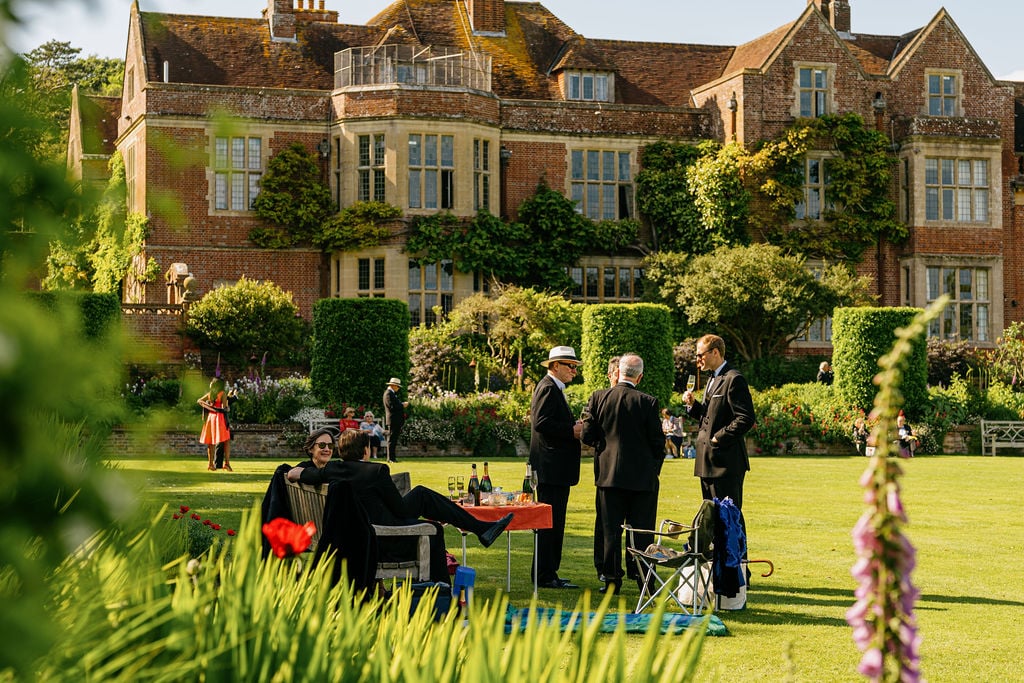
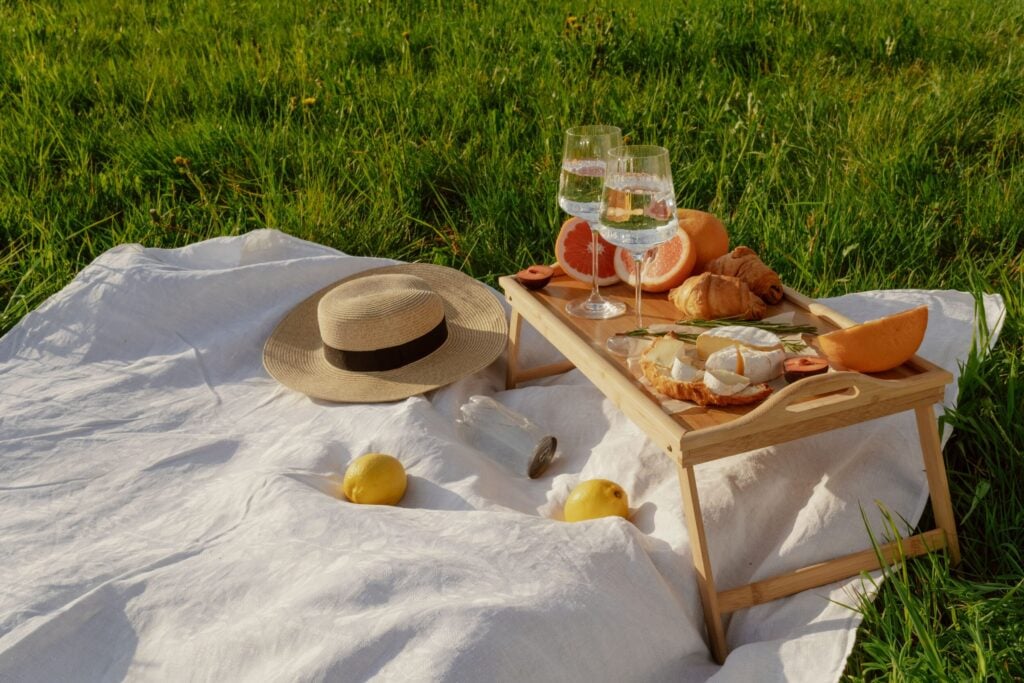
For the appeal of Glyndebourne has never rested on its productions alone, as beautiful as they are. There is the beauty of the house too, its roots reaching back to the 16th century, which guests are free to enjoy and explore before curtain-up. Visitors can stroll around the acres of lawns and gardens to enjoy the views of the lake and flower gardens before finding the perfect spot to lay down their hampers and rugs.
It is an incongruous sight, and perhaps one for which Glyndebourne is most famous. Guests in black tie and evening wear from arrival, sequins and jewels glittering in the afternoon sun, against the stunning backdrop of the undulating South Downs.
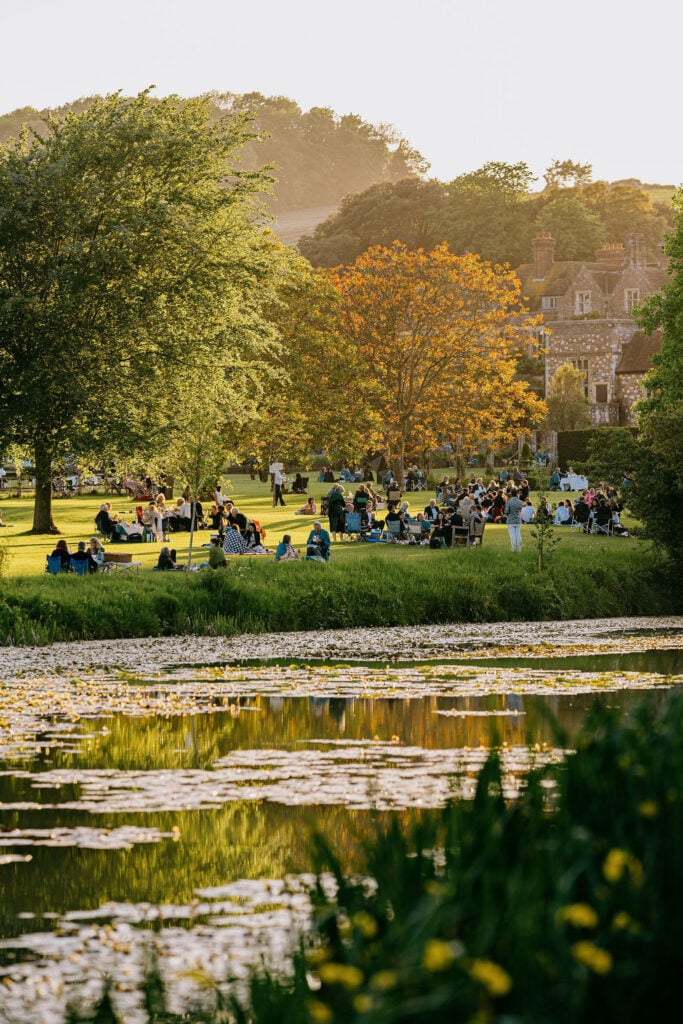
Glyndebourne, East Sussex, 23 May 2024. © Glyndebourne Productions Ltd. Photography: Graham Carlow
Glyndebourne is the only place in the world where you can listen to a beautiful opera, look at a beautiful view, and eat a beautiful picnic all at the same time – Sir Thomas Beecham
So serene is the setting, you could almost forget that you are here for more than simply the views, company and deliciousness of dressing up and enjoying an al fresco picnic. Yet it is the action that happens inside the auditorium that has kept crowds returning for almost a century. The 2026 programme spans three and a half centuries of opera, and is billed as “a summer of firsts.” This year, Glyndebourne is staging its first ever productions of Puccini’s Tosca and Monteverdi’s L’Orfeo, where debut for the South African director and visual artist William Kentridge, who is known for the striking visual designs that have become his signature.
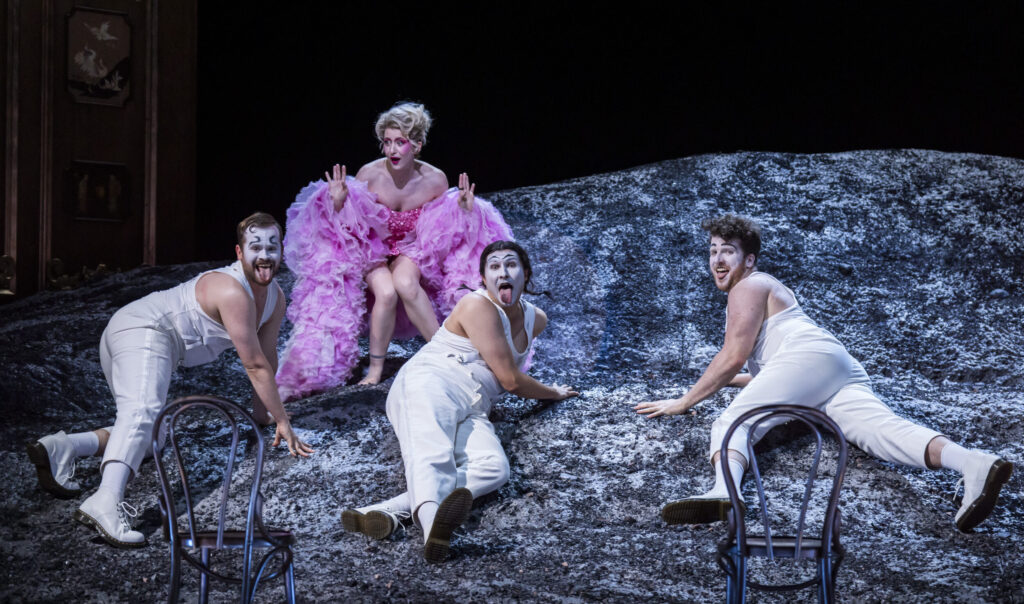
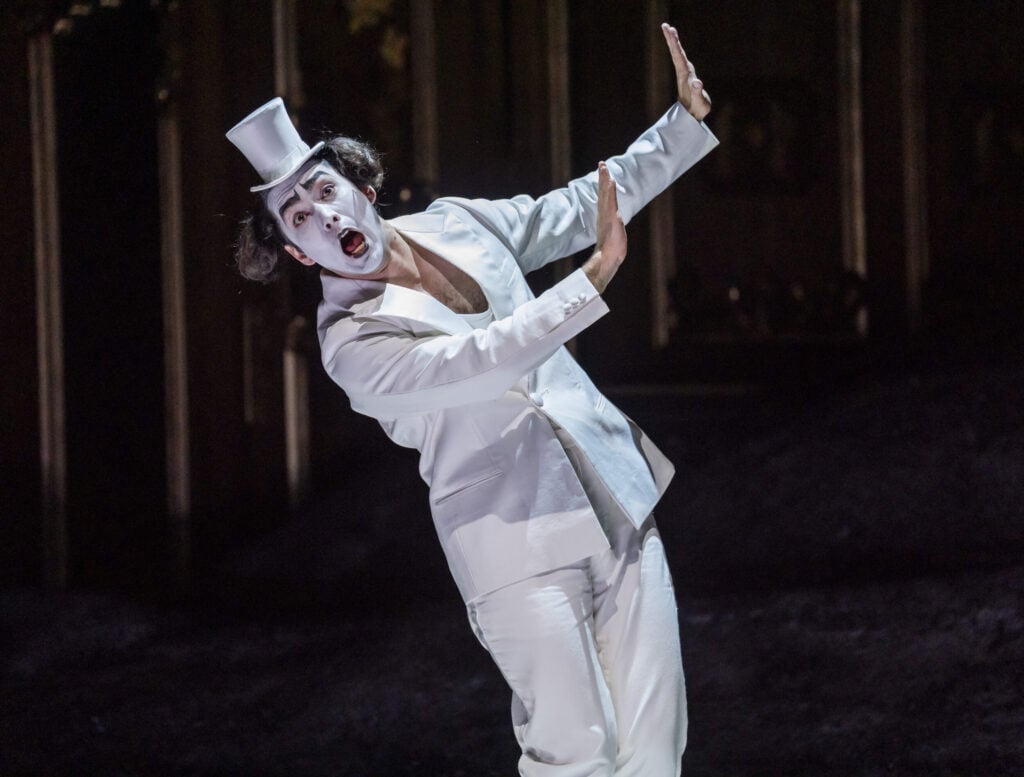
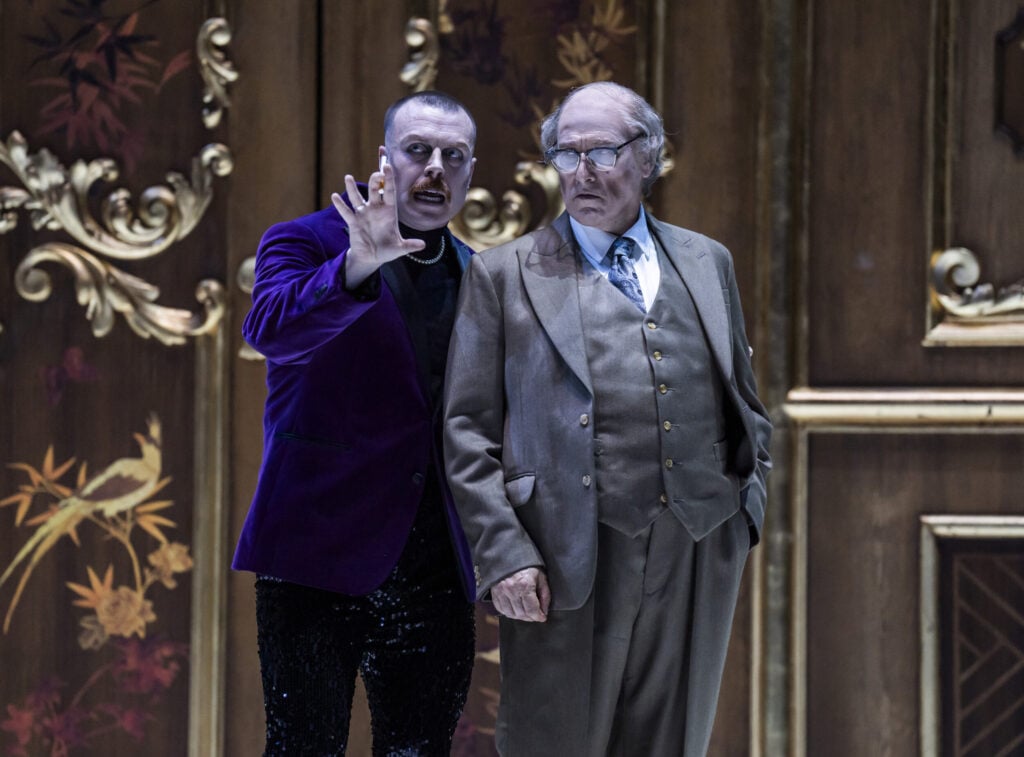
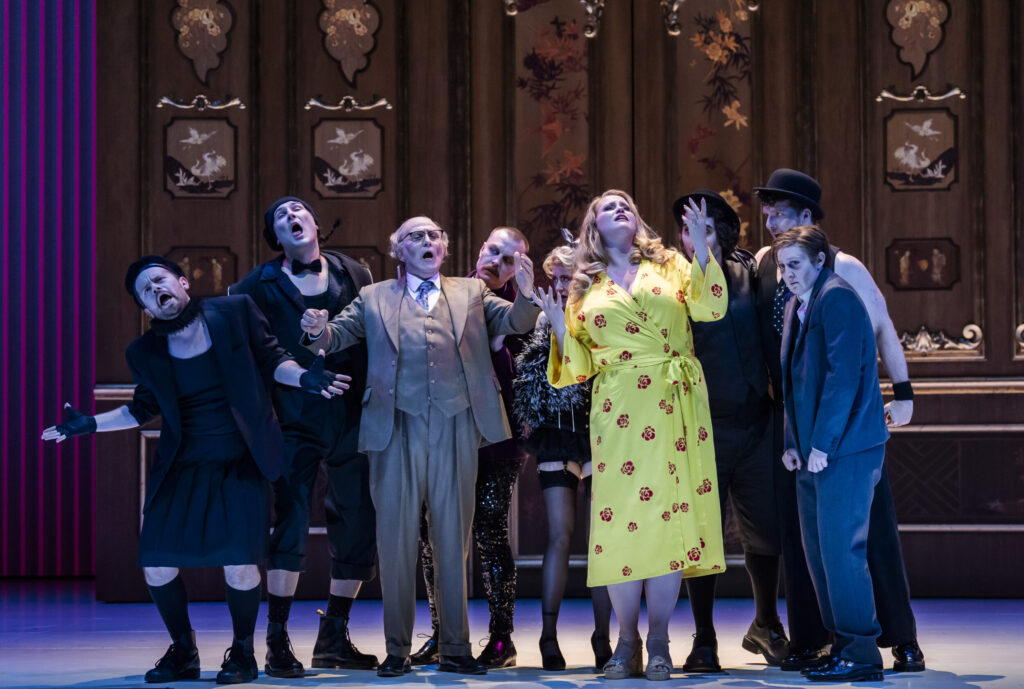
The season ranges from Monteverdi’s 1607 L’Orfeo, one of the first masterpieces of opera, to Britten’s Billy Budd, which premiered in 1951, alongside returning favourites including Il Turco in Italia and Die Entführung aus dem Serail. This year guests are being treated to Ariadne Auf Naxos, a comedy within a comedy, wrapped in high art and comedy, with fantastic costume designs and direction by Laurent Pelly. All of this unfolds within surroundings that seem purpose‑built for reverie, where the architecture itself becomes part of the performance…
INTO THE HEART of CULTURAL LUXURY.
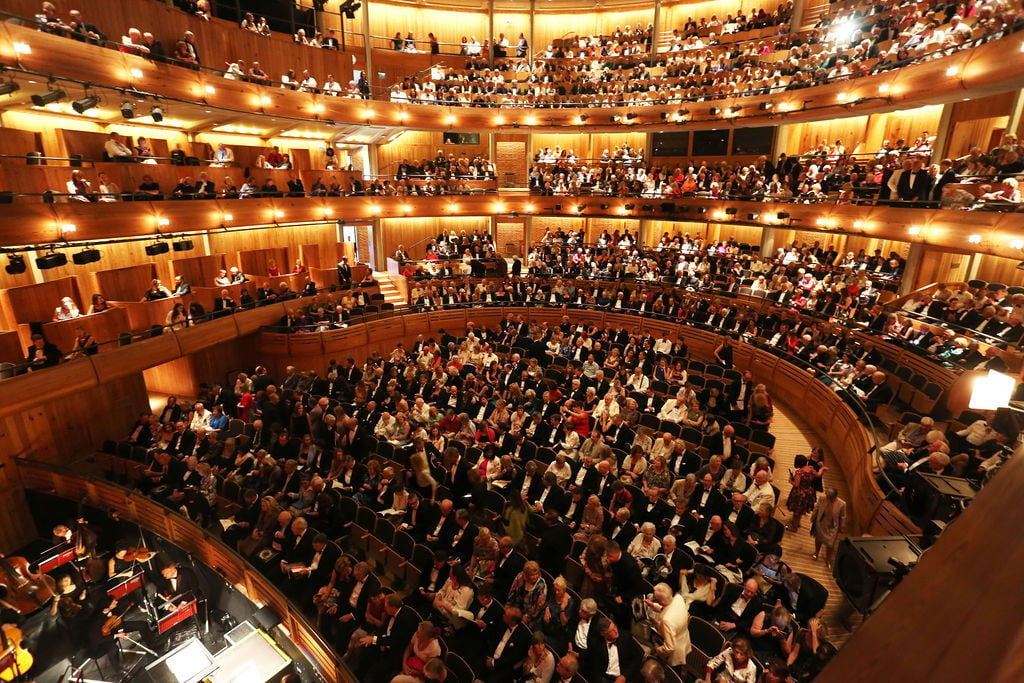
“It’s a room which seems to breathe with the music”
The Glyndebourne auditorium is a space where serenity meets the exacting demands of world‑class opera. Opened in 1994 as a replacement for the original 1934 theatre, it was designed to preserve the intimacy that defined the Glyndebourne experience while expanding its technical capabilities. The result is a 1,200‑seat house shaped with an acute attention to acoustic detail: the elliptical geometry and design is fantastic. The timber panelling, and the concealed sound‑diffusing surfaces work together to create a clarity that singers describe as unusually forgiving. Even from the upper circle, the voice carries with a natural bloom, a hallmark of the building’s acoustic engineering.
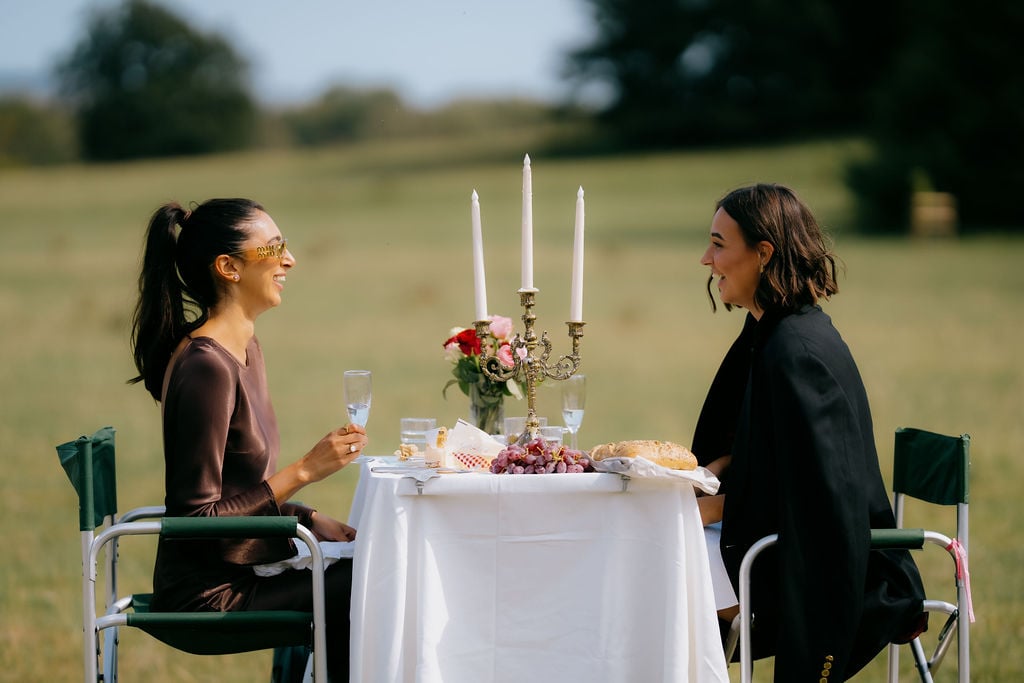
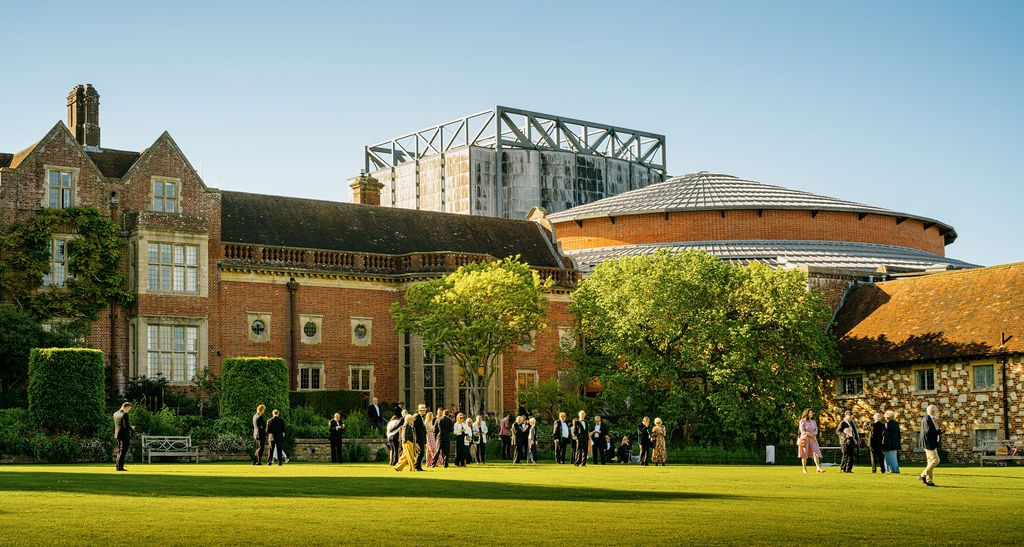
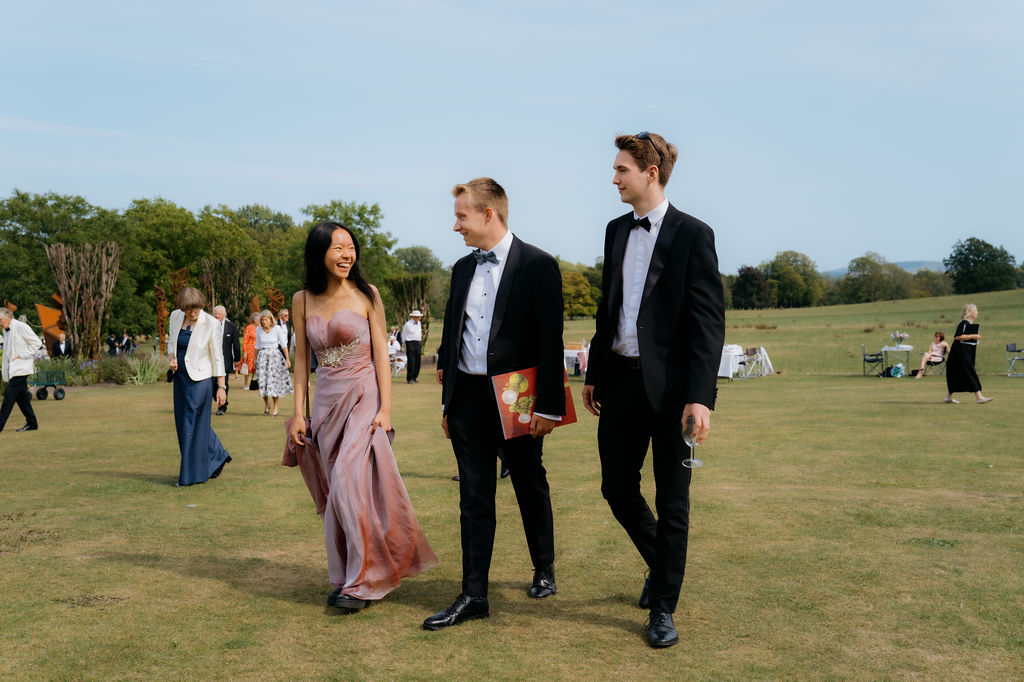
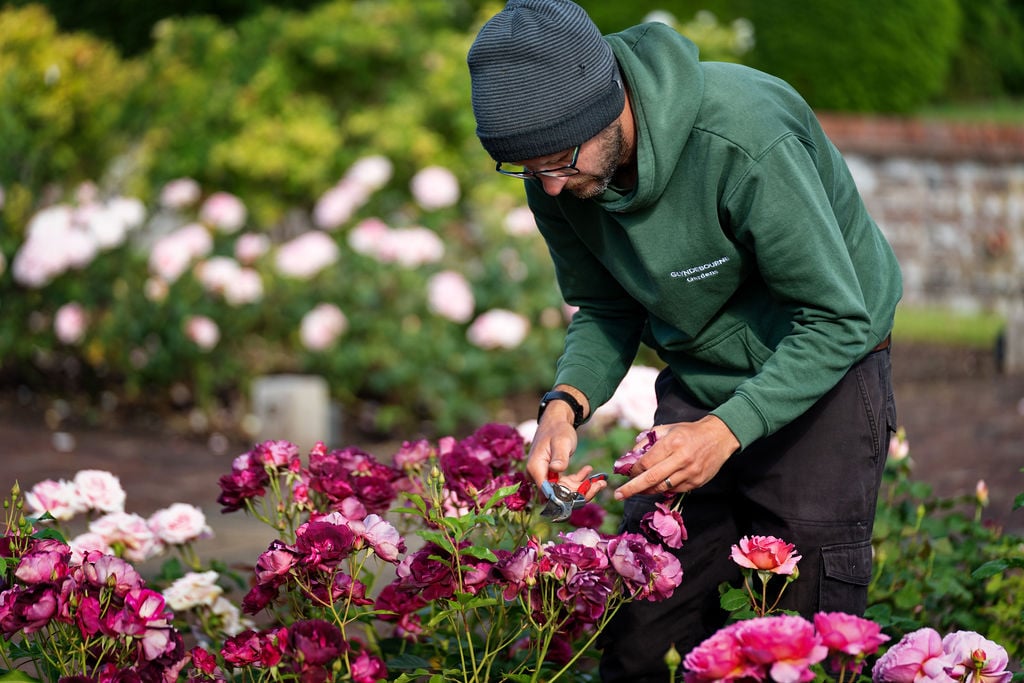
© Glyndebourne Productions Ltd. Photography: Graham Carlow Inset four: Greg Coote, grounds gardener, tending to the famous Marie Christie Rose Garden
In a twist that is worthy of some of the dramatic operas it sees on its stage, Glyndebourne’s story began with a love affair. In 1920, John Christie inherited the estate from his grandfather, and being an avid music lover, set about expanding the house to hold one of the largest organs outside a cathedral. (The majestic organ, stretching from floor to ceiling, is there for guests to see in the Organ Room).
While hosting one of many musical evenings around it, he met soprano Audrey Mildmay, in an amateur production of Mozart in 1930. They married the following year, and between them came up with the idea that would define the future of the estate. They dreamed of a proper opera house, made for unabridged, authentic productions, in Christie’s words, “not just the best we can do, but the best that can be done anywhere.”
The first Festival opened on 28 May 1934 with Mozart’s Le nozze di Figaro, performed in a theatre built to seat just 300. Tellingly, the production was conducted by Fritz Busch and directed by Carl Ebert (both celebrated German musicians who had fled Nazi persecution), and whose arrival leant the fledgling festival an international renown from its very first season. Figaro, fittingly, has gone on to become Glyndebourne’s most-performed opera, earning it the nickname “the home of Le Nozze,” with singers from Kiri Te Kanawa to Renée Fleming having taken to its stage in the role.
The festival’s momentum was, however, cut short in 1939. With war declared, Glyndebourne’s estate manager, wary of the house being requisitioned and used by the Ministry of Defence, offered it up instead as a nursery for evacuees from east London. Within days, around 300 babies and 72 carers arrived en masse at the estate; so many that the festival’s general manager, Rudolf Bing, had to rush into Lewes to buy up every chamber pot the town had.
Continued below:



The numbers soon settled to a more manageable third of that, and for the next several years the house that had staged Mozart played host to toddlers instead, sleeping in rows of cots in its panelled Old Green Room and learning, some for the first time, that milk came from cows rather than bottles. The Festival itself did not resume until 1946, from when it has grown steadily ever since.
By 1977 the theatre held 850 people; by the 1990s, even that wasn’t enough, and in 1994 a new 1,200-seat opera house opened on the same site. By this time, George Christie had taken over from his father and he gave the architects, Michael and Patty Hopkins, a delicate brief. He needed a building that could nearly double capacity to 1,200 seats without losing the intimacy for which Glyndebourne was celebrated, and that would sit beside the historic house without overshadowing it.
In a beautiful symmetry, it opened exactly sixty years to the day after the original and went on to win architectural awards; critic Marcus Binney called it “not just a triumph but a great masterpiece.”
Almost a century on from that first production of Figaro in interwar England, Glyndebourne remains, at heart, the same concept that Christie and Mildmay set out to create – the best opera that can be done anywhere, staged in the most beautiful of settings, and remains to this day, the enduring epitome of an English summer’s day in the countryside.
Enjoyed the piece? Show your appreciation with the stars below, and explore more of Emily’s work through her profile.
ATTEND GLYNDEBOURNE
Further details, performance schedules and booking information are available via the Glyndebourne website
© 2026 Houghton & Mackay. All Rights Reserved. The content in this publication may not be reproduced in any form without prior permission to the rights owners. Learn more about Houghton & Mackay on the main Business Website. Front Cover Photo by Ron Lach.