A world on the move now reckons with the weight of wanderlust.
Once strictly the domain of the elite, travel has undergone radical change and democratisation during the last two centuries. From the aristocratic grand tours of the 18th century to the high-end luxury travel of the early 1900s and the interrailing trends of recent decades, the chance to explore the world is now more possible than ever.
Travel’s long march from aristocratic ritual to mass pastime has reshaped how we move, how we see, and how we burden the very places we claim to cherish — a freedom now shadowed by its own excess..
Evan Meikle: Columnist
The earliest form of what we might recognise today as travel for the purposes of leisure originates in the Grand Tour, an educational endeavour for young aristocratic men in Western Europe between the 17th and 19th centuries. Oftentimes, accompanied by a Cicerone, a tutor, who justified the trip with classical education along the way, the grand tour was primarily an opportunity for the upper crust of European society to reconnect with antiquity and the Renaissance during the peak of their vogue.
Traversing hubs of culture, from Paris, Geneva, to Rome and Naples, the trip could last months, even years, and combined lessons in Gentlemanly practice with the exotic luxuries of the southern and eastern Mediterranean.
The exclusive elitism of this practice saw its end with the emergence of the famous “Cook’s Tour”, pioneered and brought to the masses by the eponymous Thomas Cook, the figurative father of popular European tourism. Capitalising upon innovations in steamships and railways brought about the rapidly industrialising continent, Cook and his son-come-business-partner designed “a grand circular tour of the Continent” in 1855, which saw tourists hop between cities in France, Belgium, and Germany and marked the inception of the first commercial package holiday. Fast forward to the 1920s, when unprecedented Western economic prosperity saw a spike in the leisurely movements of a growing middle class.
Frequently facilitated by the railway networks expanded during the First World War, the best foreign holidays began on luxury locomotives that traversed lines constructed for continental total war. The popularity of commercial ocean liners also saw a resurgence after infamous setbacks in 1912 and 1915 with a notable increase in transatlantic crossings.
The biggest transformation in mass commercial travel however, has come in the last 80 years when the post-war boom saw British overseas holidaymakers surpass over a million in 1950 alone.
Amidst the greater wealth and sense of general optimism experienced by many following the resolution of the Second World War, holidays became a real option for more families than ever. With the growing monopoly of the family car as the main means of transport for many, British holiday parks such as Butlins and Centre Parks emerged as archetypal destinations for the nation’s working classes.
Increasingly however, the masses looked further abroad to find leisure and relaxation, with the introduction of safer and more efficient planes such as the Boeing 747 making long haul travel cheaper, and more accessible for all. The result? A record 237.4 billion in passenger miles in 1970 alone, clearly the world was more mobile than ever, and growingly eager to see more of it than ever.
Greece, Majorca, Malta, and the Algarve featured as some of the favoured spots for Brits abroad, with locales such as Benidorm emerging as established destinations, with resorts and a growing population of ex-pats reshaping communities into little British enclaves in all but name.
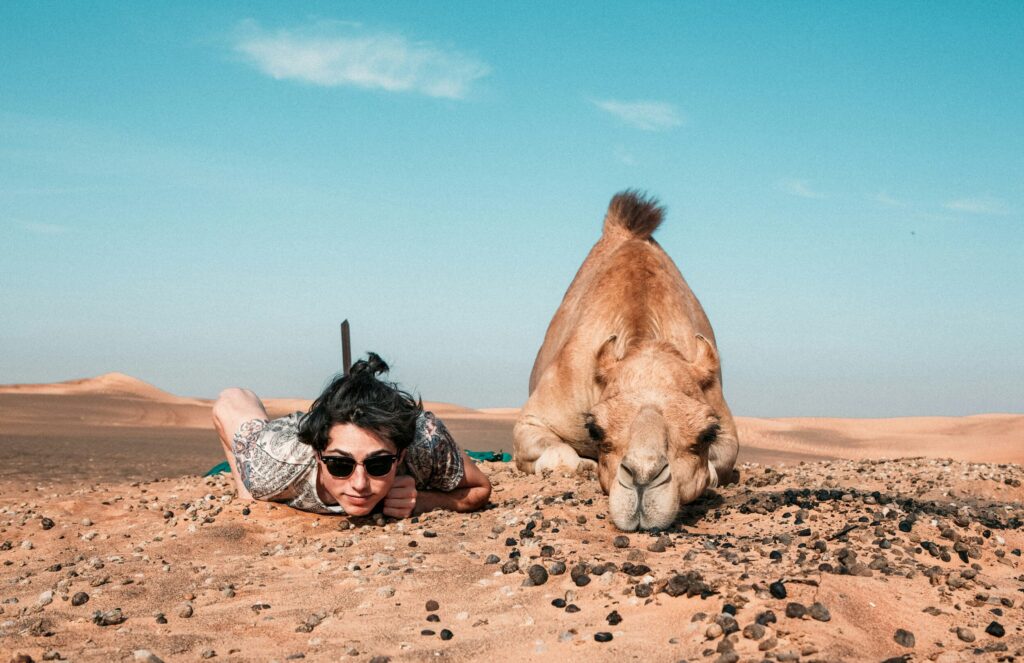
What of the Cost?
This transformation in commercial standards and accessibility has not come without a cost. In fact, backlash against over-tourism has spread across major urban holiday hubs around the globe. From Spain to Japan, the residents of some of our most attractive destinations are increasingly taking a stand against what they perceive as a destructive tourism culture.
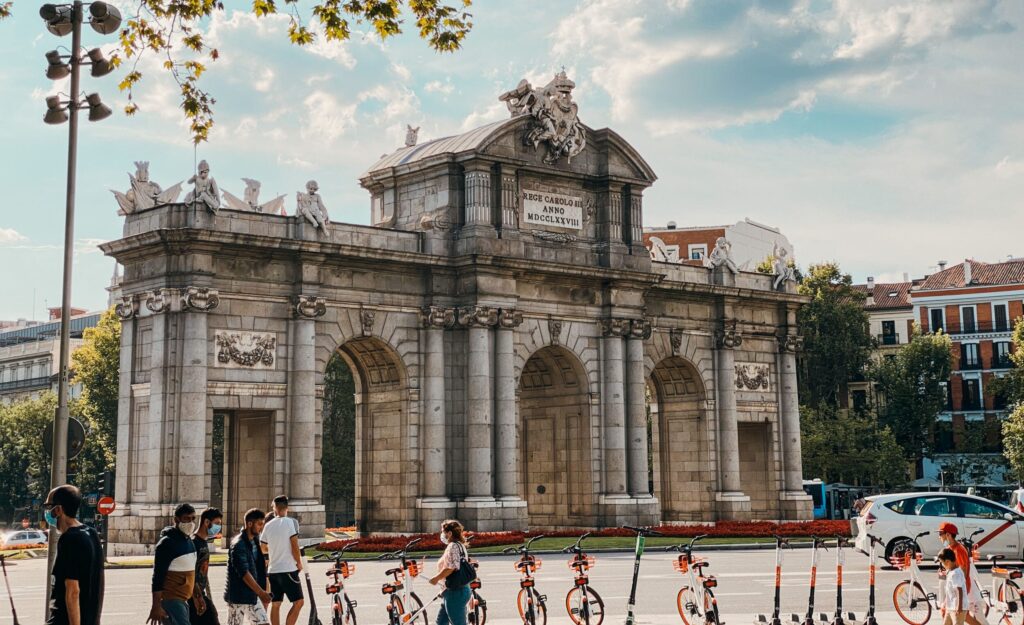
The efforts of anti-tourism activists in cities like Barcelona are well documented, with tensions escalating into increasingly aggressive and disruptive activity. In many cases, the main causes for resentment are the very valid concerns over property ownership (with over 20% of accommodation in some areas of the Canary Islands solely dedicated for tourist rentals) and tourist’s bad behaviour. This latter issue has seen particularly excited discourse in Kyoto, the cultural and historical heartland of Japan.
From visitors invasively photographing uncomfortable apprentice Geisha (Maiko) on the streets of Gion, to desecrating holy sites for the most particularly picturesque Instagram shots, the residents and municipal government of Japan’s historic capital have struggled against rising tourism, incongruent to the city’s Edo period infrastructure and demure cultural values. How to manage the flow of over 10 million annual international visitors without discouraging their custom whilst also protecting the interests and integrity of the city and its inhabitants has emerged a perennially controversial battle.
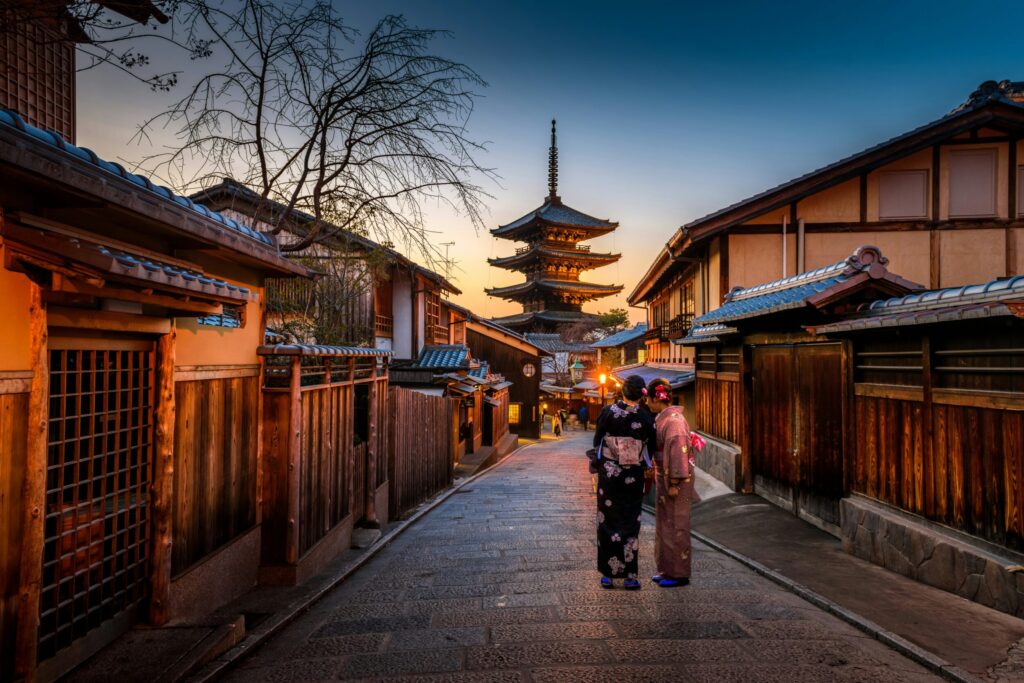
The result? Kyoto has taken moderate yet firm steps, restricting access to private alleyways within the Gion district where Geisha primarily live and operate, many now adorned with signs that indicate potential ¥10,000 (£46) fines for trespassers. Further, it imposed some of the highest rates of tourist tax anywhere in the world, comparable with cities like New York and L.A., with steep premiums against high-end hotels up to ¥10,000 per night.

These are just some of the measures taken to curb the consequences of over tourism in a world that is now more open and accessible than ever. But should it be the responsibility of a country’s government and residents to mitigate against the worst results of democratised leisure and international travel?
Tourism and travel cannot, and indeed should not, end. Aside from the enormous benefits that travel has to our intellectual and cultural horizons, many communities, regions, and even nations would simply not survive without it. It is clear, however, that some concession must be made. The current animosity and moral tension within the tourist trade is increasingly untenable.
Therefore, rather than foregoing foreign travel altogether, a new form of tourism must emerge, one that, at all stages, needs to reconsider its relationship to those who live all-year-round in the regions that we love to visit for a fortnight at a time and begin to consider our roles in protecting some of humanity’s most special locations for future generations.
Supporting emerging talent
Want to give this writer some extra encouragement?
Support a writer breaking out into the literary industries by donating. 50% of the donation goes to the writer, whilst the other half is used to build and develop the Magazine, providing even more opportunities for people.
© 2026 Houghton & Mackay. All Rights Reserved. The content in this publication may not be reproduced in any form without prior permission to the rights owners. Learn more about Houghton & Mackay on the main Business Website.