
The New Pleasure Ethos: Why Conscious Neo‑Hedonism Speaks to All of Us Now
By Emily James: Columnist
We are in an era where drunkenness is no longer the heart and soul of a party – many sources show that we are consciously moving from debauchery to sobriety as a society and that the values of the young are changing – on a global-wide scale. Millenials and Generation Z are the people who will help drive the future – paving the way for future generations. The landscape is shifting – should we adapt and move with the times? Or is there a place for hedonism in our lives as it once was? Emily-Rose explores further…
Conscious neo-hedonism is a phenomenon characterised by recent choices of millenials and Generation Z who are actively seeking more conscious experiences over getting drunk or clubbing as a way to let off steam and spend their free-time. Gone are the days when those choosing sobriety were looked upon as ‘party-poopers’ – sobriety is the new debauchery and there are many wonderful and curious ways to engage in this newfound, health-conscious movement.
Wellness Forum states: ‘This generation is looking for experiences that nourish both body and mind without sacrificing fun and community.’ There are many reasons for this change in outlook and choices characterized by changes in environmental concerns, working habits and patterns and increasing awareness of mental health.
A BBC article cites the UK’s largest recent study from Drinkaware of drinking behaviours, which showed that in 2019, 16-to-25-year-olds were the most likely to be teetotal, with 26% not drinking. Global statistics are also in line with this – another source (TMSW) stated that 9 in 10 Gen Z’s in Asia say partying is ‘no longer about getting drunk’.
So, Why have people made this switch ?
Nowadays, there is far more focus on our environmental impact and awareness. Climate action groups are heavily involved with government schemes to reduce plastic and waste, favouring ‘green’ choices. The youth are on board – rebelling against over-consumption in favour of caring for the planet, sustainability and health. The choice to be involved could be driven by these government initiatives and greater knowledge of our impact fuelled by 2050 climate projections with fears of global warming and planetary changes. Gen Z and millenials (and many others alive today) are the ones who may see these drastic changes to sea levels, rising temperatures and frequent droughts and floods.
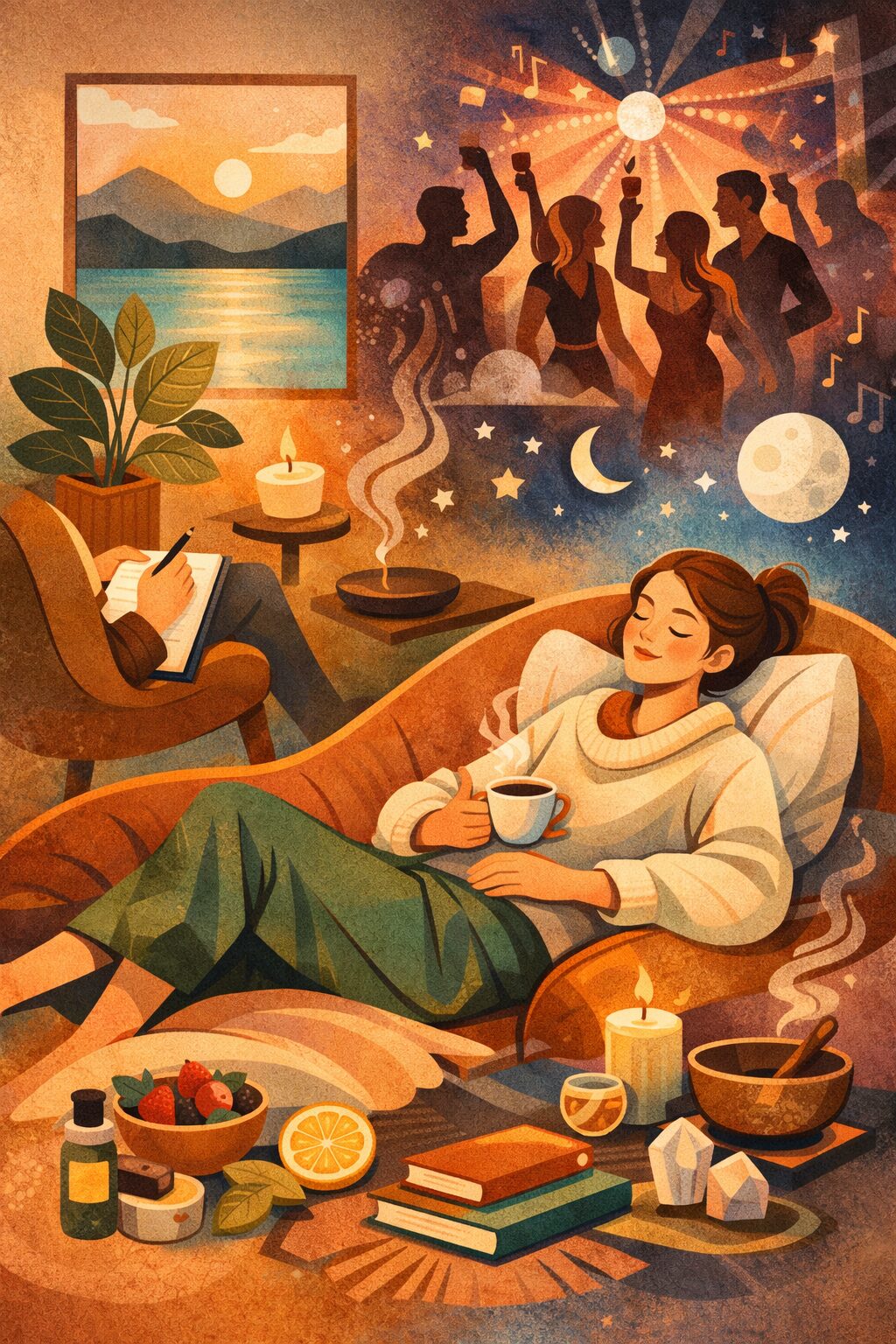
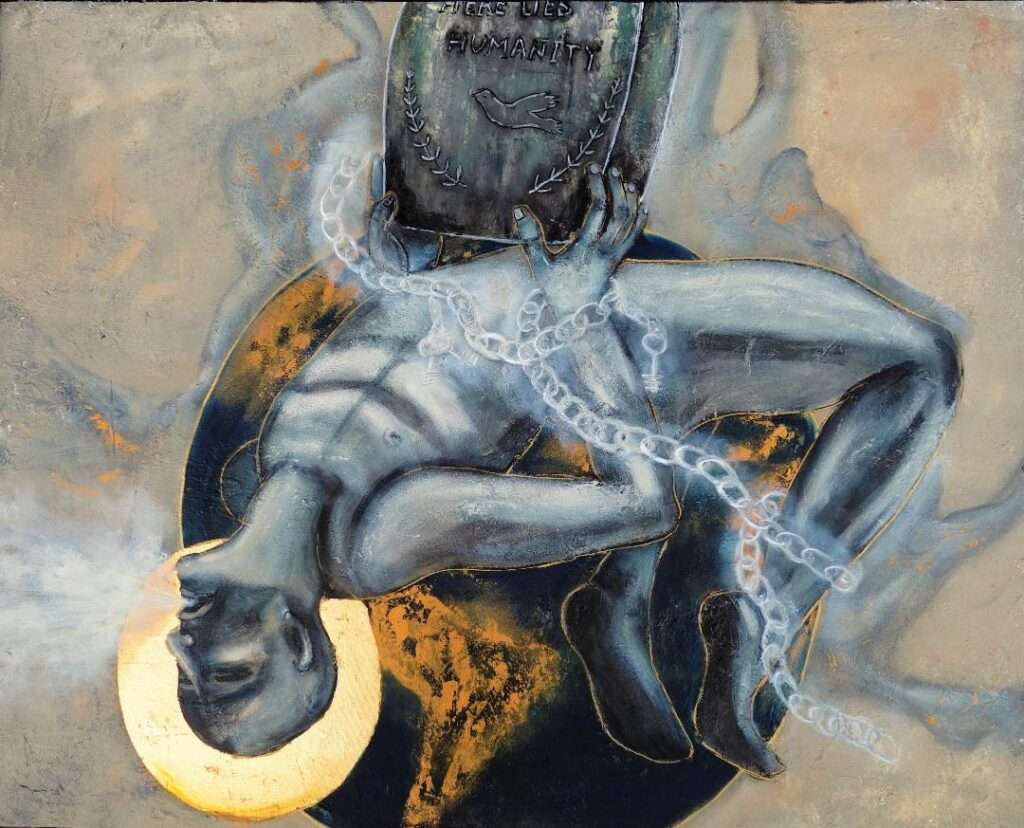
Screaming therapy: a cathartic trend for those tired of keeping it together.
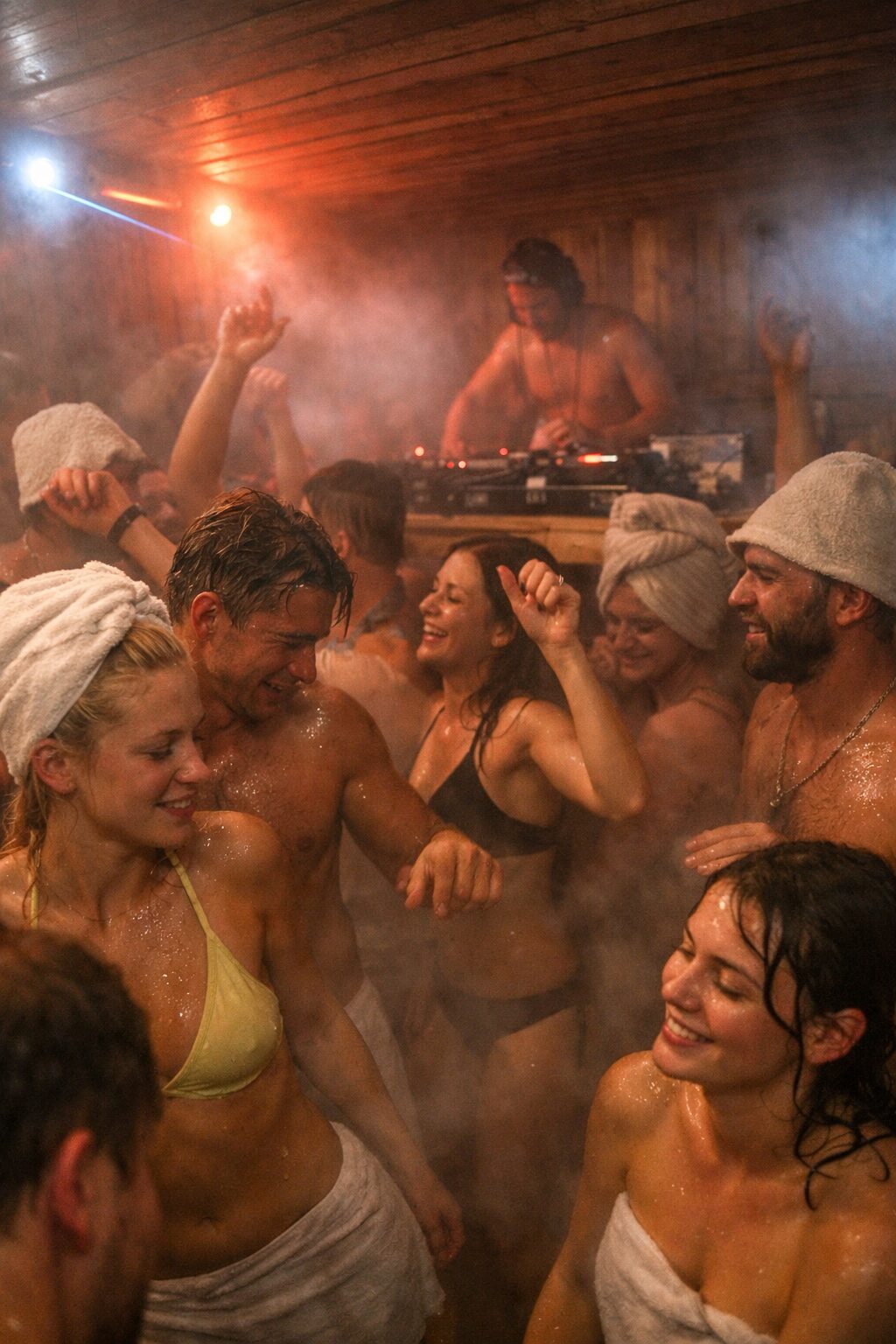
The Velvet Exit: How the Young are Quietly Abandoning the Old Nightclub Ritual
Image: Maor Attlas
Additionally, there is a rise in preference for vegan and healthy food choices, and consuming non-alcoholic drinks. There are far more impressive and delicious options such as many varieties of kombucha (fermented tea), Seedlip and Feragaia – offering similar tastes to beer in the case of the hoppy kombucha and gin and whisky alternatives on tap in many bars. These options mean current generations can go out drinking without the hangover. The knock on effect is that there is less peer pressure to ‘get drunk’ – this widespread phenomenon of choosing health over hangovers means that there is no more judgemental pressure to consume in excess (unless you happen to be out drinking with a baby boomer or Gen X’er!).
A strong desire to keep fit and exercise more also characterises our current generational focus on a new form of hedonism – meaning people may meet up for a smoothie and a run to catch up rather than chat over a drink.
This means you can get your social fix, as well as keep fit. What’s not to love? Rising trends of yoga, Pilates and holistic wellbeing practices also drive these more conscious choices – many are craving outdoor retreats, time in nature and connection with the natural world through conservation projects. This could be as a reaction to an overconsumption of technology. We live in a time where screens take central stage in all areas of our life. As a result, there is an increasing need to ‘digitally detox’. Examples of nature-based activities and retreats include sauna-raves, scream therapy and cold water dips.
As a result of this digitalisation, many of us are digital nomads or work from home. This huge shift in lifestyle and habits mean many people are ditching office life in favour of being on the move with their work. This naturally promotes a lifestyle of prioritising wellbeing, nature and connecting with others as many no longer need to conform to standard working hours.








Previously, drinking may have been a way to switch off at the end of the day from long hard hours at work – whereas now people are able to choose their hours more with these flexible working situations. There is not necessarily the need to offload the week’s stress in the pub – particularly with the rise of workplace wellbeing strategies and companies increasingly looking after employees’ stress levels and working habits.
With unprecedented economic changes in the current climate, there may simply be less money to go around and be spent on lots of leisure time so people are getting together and going for walks or sharing food with friends instead. Possibly in reaction to Covid-19, there is an awareness that the economic landscape could change at any moment – and therefore a drive to embrace the present moment and stay connected. During the pandemic, people had a taste of living life at a slower pace, connecting with others and nature, perhaps realising what truly mattered to them outside of a large social group, which may not have fulfilled their genuine needs. With an increasing awareness of mental health, many people are choosing activities in their free-time that boost wellbeing.
Nature and mindful experiences are widely known to improve concentration, blood flow, coordination and the release of endorphins which are important for our health and longevity. ‘The truth is that there is a strong global movement towards multi-sensory, healthy and social events’. (Wellness Forum)
What this may mean for the future ?
A supposition is that the focus on conscious neo-hedonism may lead to a deeper connection and awareness of the environment and one’s impact on the planet in order to pave the way for future generations, set better examples and heal the harmful effects of extreme hedonism. There may be implications on brands, marketing and tailoring products to this next generation’s needs – that of being closer to nature, caring for others and ourselves. We are already seeing shifts in the way we work, live and interact – it is our choice to decide on the legacy we leave behind.
© 2026 Houghton & Mackay. All Rights Reserved. The content in this publication may not be reproduced in any form without prior permission to the rights owners. Cover Photo by Ron Lach. Learn more about Houghton & Mackay on the main Business Website.