Editor: Karl Houghton
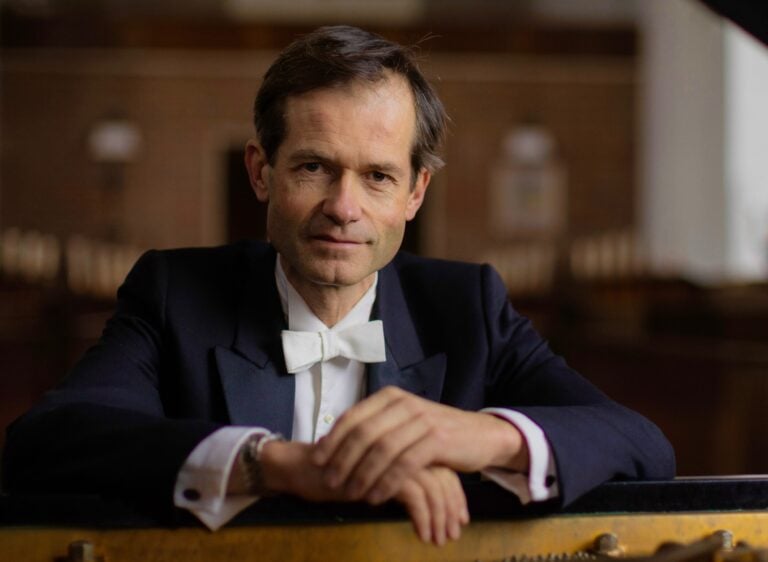
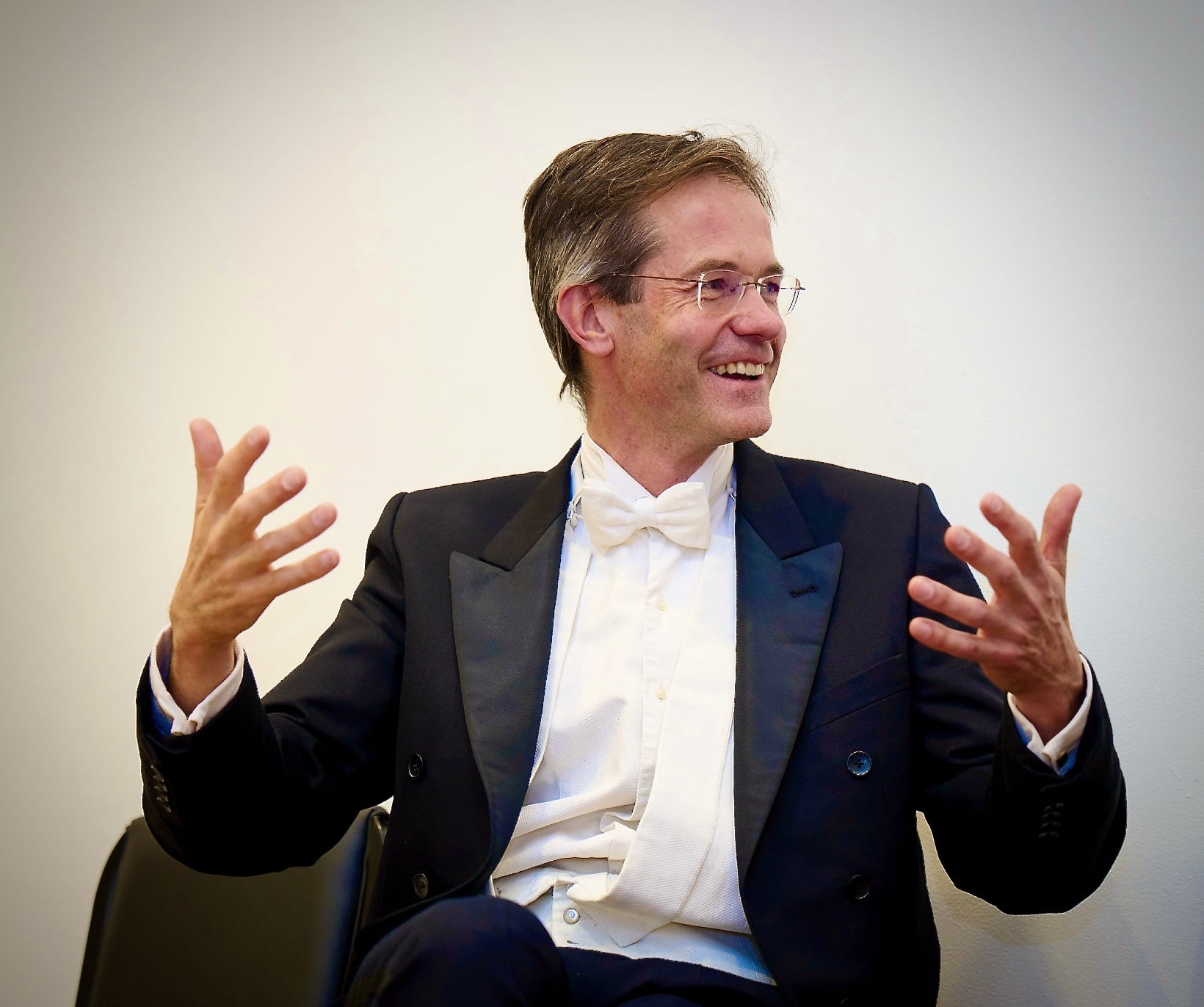
The passion never leaves; it only changes its temperature. A line which we could say perfectly sums-up the discussion, “I feel musical passion has always been my constant, certainly it has ebbed and flowed, but became much more insistent as I got older”.
It is the thread running through a life that initially followed a conventional path—Oxford, management consultancy, a corporate career. This story is not one of rejection though but of delay, of a vocation that waited patiently until its moment arrived.
The pianist describes never consciously choosing against a musical career despite music being “always my lifeblood.” Like many, he felt “shepherded” into a more conventional career but those early years already carried a double existence: the corporate jacket left on the back of a chair while its owner slipped out to Soho to take advertising music briefs, lunchtime hours spent at Steinway Hall, evenings composing commercial soundtracks before going into the office the following morning. A calling that refused to be ignored. By his forties, the pull drew him closer to his destiny.
“Many people over the years asked me why I’d decided against a career as a pianist earlier in my life. The more I thought on this, the more I realised I’d never consciously made this decision. I had just becoming accustomed to live with a yearning to focus on music. I felt I needed to re-write the script before it was too late.”
The reckoning was simple and severe, an unrest which played at the back of his mind for years, as the cost of not committing to his passion became too great to contemplate. The leap from corporate security to artistic uncertainty was, in his words, an act of authenticity, a willingness to “start again as a musician.”
“I just reached a point when I realised I had to go for this 100%. I couldn’t face the internal struggle of carrying around the regret of not giving my musicality free rein. Some people will say I’m too old or its too late, but I absolutely had to give this my best shot.”
Continued below…
That decision in around 2020 led him to stages such as Carnegie Hall and the Berlin Philharmonie, where nerves and impostor syndrome dissolve into pure adrenaline the moment he sits at the stool. Live performance, he says, is visceral and life‑affirming, the ultimate dopamine hit, and always about the audience.
“I simply love playing live. No audience = no performance. For me, it is about creating a special musical experience for people in a world of constant distraction and short attention spans and telling them a story through music.”
“No audience = no performance.” What a superlative statement. The privilege lies in holding attention in a distracted world, creating a shared experience that feels both intimate and yet inclusive to the audience. He says he particularly enjoys presenting and positioning the music with the audience as it brings a different ingredient to the musical experience.
Critics often speak of his duality—technical brilliance fused with interpretative depth. He traces this back in time. As a teenager, he was told he possessed extraordinary technical facility but his performances could be more musical. Now, carrying “the battle scars of 4 decades,” he feels the emotional weight that great composers themselves endured. The music breathes differently and he channels an intensity into his playing. He cites Rachmaninov’s music —his “heartland”—as examples of how emotional truth and technical writing intertwine.
Unsurprising perhaps that a review of his performance of Rachmaninov’s Second Sonata wrote that “he conveyed the emotional excess of the work as though it was pouring out of him”.
Continued below…
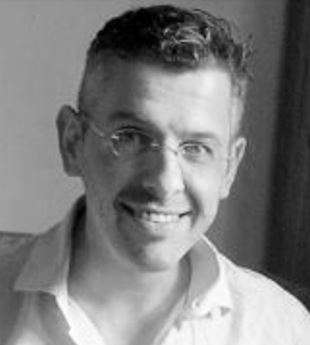
As his repertoire continues to expand, so too does its character. Shaped by experience rather than convention, Rupert brings to each score a rare combination of maturity, resilience, and artistic conviction.
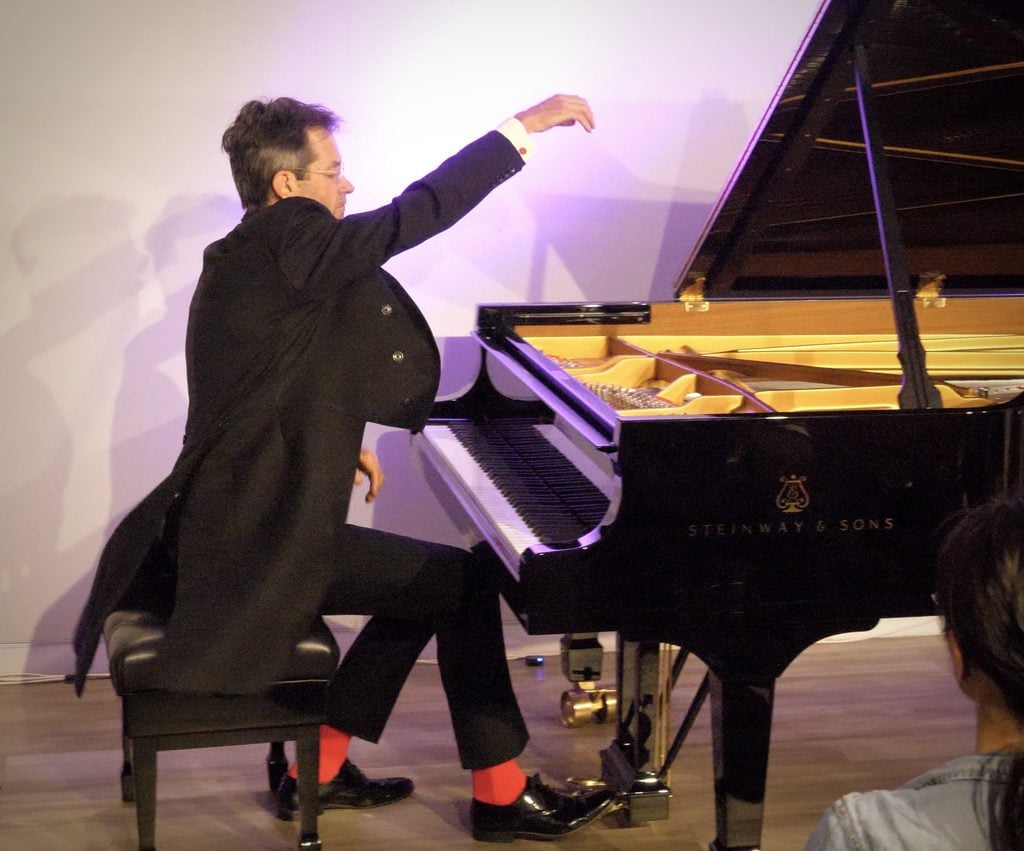
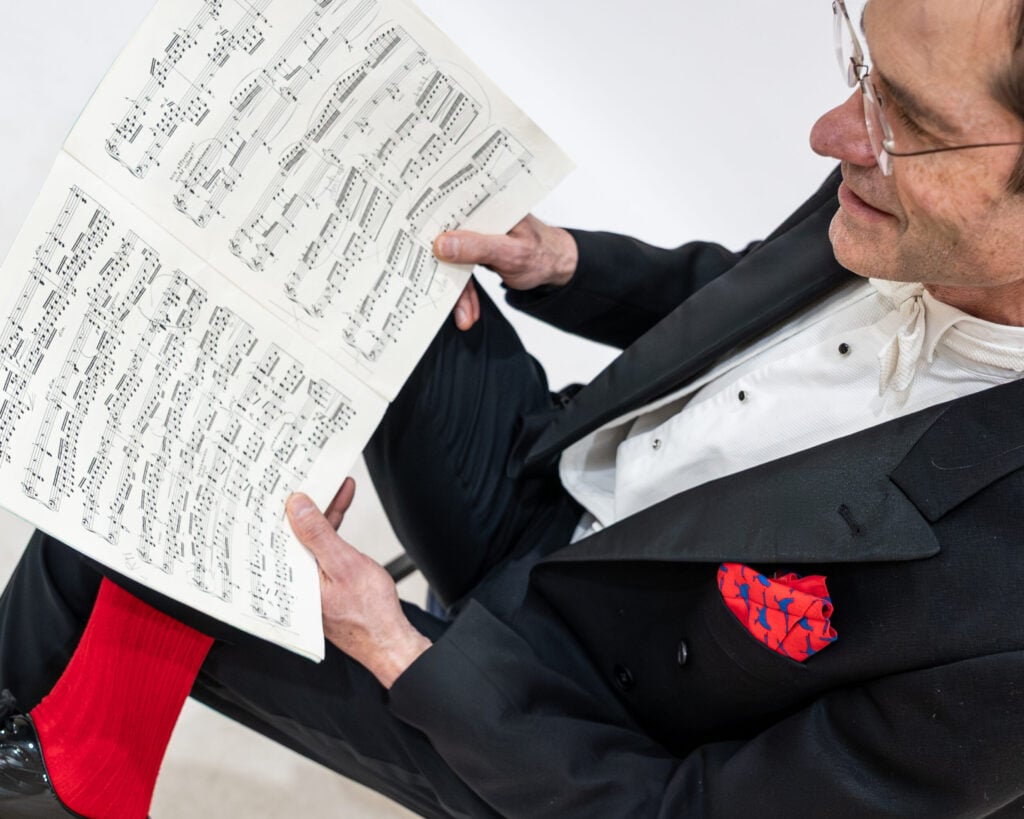
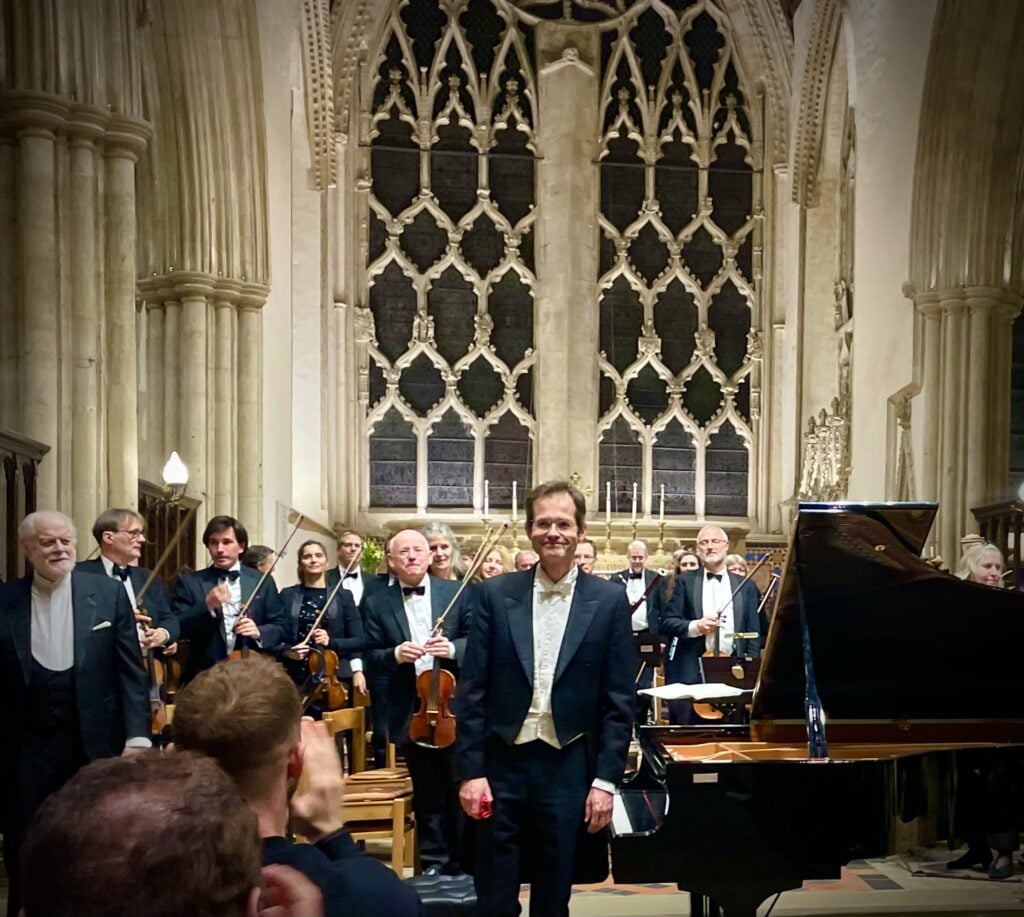
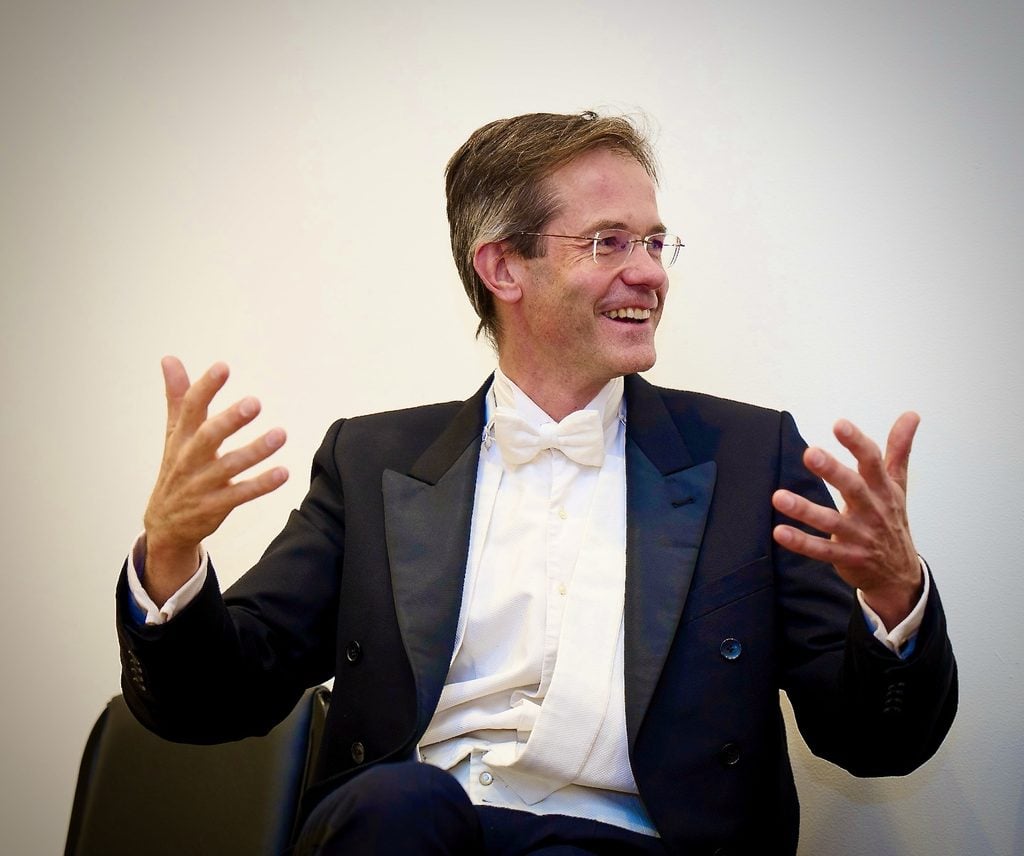
His tenure as Artist‑in‑Residence with the Orchestra of St John’s sharpened this sensibility. Working with John Lubbock OBE, often with only an hour of rehearsal, created concerto performances that were essentially dress rehearsals, alive, spontaneous, and vital. The concerto repertoire expanded to include the greats: Beethoven Mozart, Grieg, Schumann, Rachmaninov, Shostakovich. The experience, he says, was a privilege and an education.
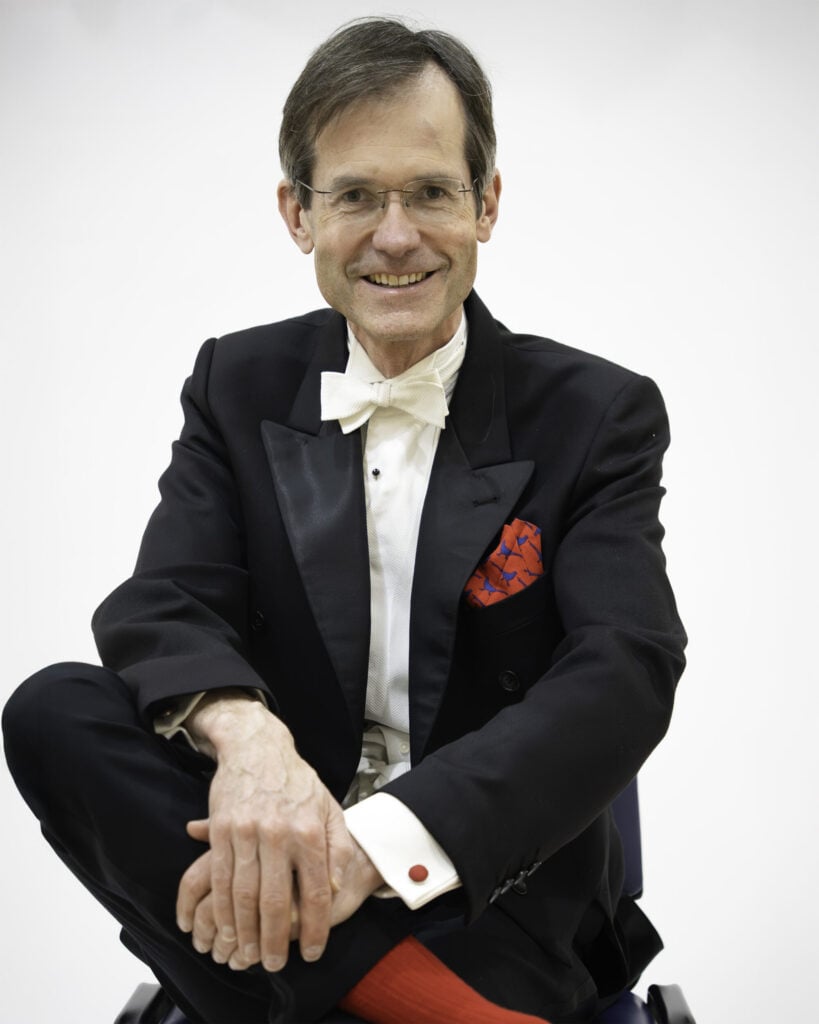
Becoming a Steinway Artist in 2025 added another layer of recognition. He calls it an honour, an endorsement, but remains clear‑eyed: Steinway opens doors, but the career must be built by the artist. “Steinway’s priority is building and selling the finest pianos in the world, it is not an artist’s agency”, he says. Still, the association inspires him to think creatively about future collaborations. “Its a truly wonderful association for me”.
Building a musical career later in life though brings clear challenges. He entered the profession without the usual foundations—no conservatoire training, too old for competitions, no music degree or even an A level in music, and surrounded by extraordinary younger pianists. But he has an unwavering conviction that his life has gone full circle and that this was always his destiny.
The question of “what if I’d done this earlier” lingers, but he refuses to indulge it. Forward is the only direction.
“Its incredibly hard to build a new performing career at this age. I think many would dismiss it as impossible. But I’ve got to look forward and just enjoy where I can take this. I’ve a lot of life experience to take onto the stage and also my corporate life did hone my ability to communicate with audiences”
So how is he going about building this career?
“To be successful as an artist at any age you need talent, perseverance, resilience and a sprinkling of good luck. I’d say around two thirds of my time is spent on building up my profile, marketing, generating new collaborations, social media – which is really a new world to me – and then of course the matter of keeping fit musically and technically! Its a massive juggling act.”
The rewards lies in connection and the creation of captivating live performances, audience members telling him they had never attended a piano recital before and that he opened their ears. Taking piano performances into unusual and idiosyncratic venues, an ancient Inn in Devon where he has a performing space, a Middle-Eastern hammam.
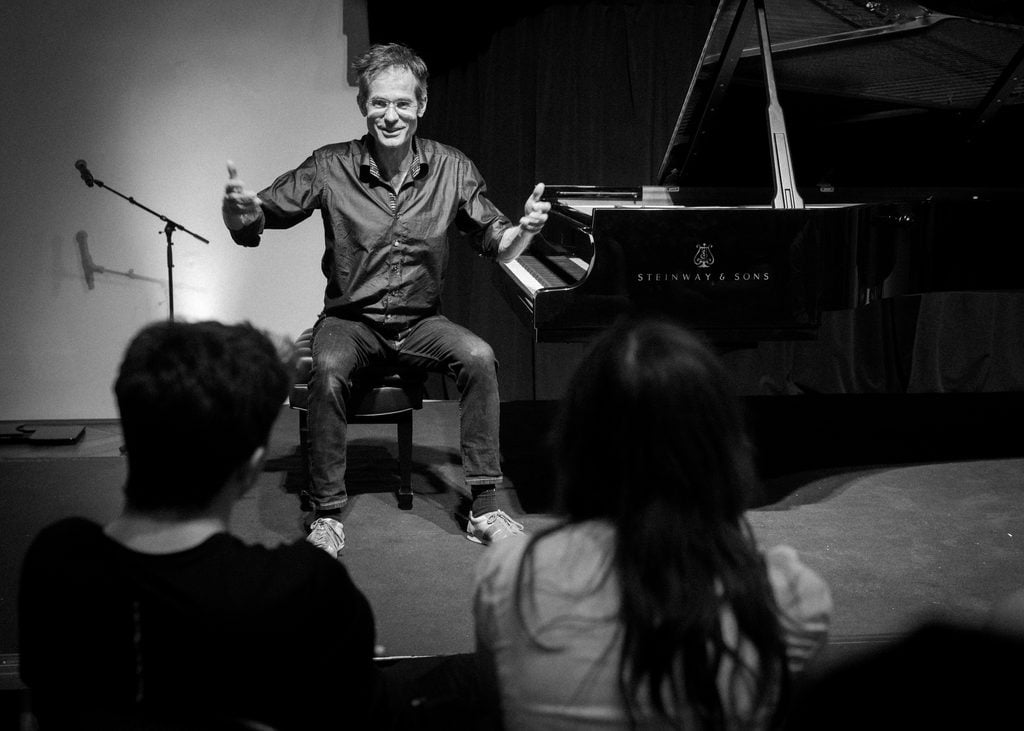
Alongside performing, he composes for films. Music, he says, is storytelling no matter what format, television, screen or stage. Improvisation has always been part of his life, and he now ends recitals with spontaneous creations. Scoring his first independent feature film in 2025 confirmed his desire to expand further into drama and cinema and he released a cinematic album entitled Otherland in 2026. Entirely self‑taught in composition and music production, he approaches composition with instinct rather than formal training. And perhaps this is at the heart of his distinctiveness overall. A musical actor with a wholly unconventional background driven on by his passion into the twilight.
“I’m playing a wonderful piece by Liszt right now – St Francis Walking on the Waves. Its really a study in human tenacity against inestimable odds. Probably its really resonates as I can see my own journey through a similar lens. My own boat is afloat but it’s incredible choppy out there and the horizon keeps changing.”
Looking ahead, he wants to build a fuller performing calendar in the UK and internationally, develop distinctive recital programmes, and collaborate more with orchestras. Around twenty‑five concertos sit “in the fingers,” with more to learn. Above all, he loves to collaborate. “I love the camaraderie of playing concertos. It’s the best feeling. I relish being around people and solo recitals, despite the rush, can be quite solitary experiences”. In composition, he aims for larger features and deeper partnerships.
This is the essence of the piece: a life threaded with music, interrupted but never abandoned, now unfolding with clarity and conviction. And it is a reminder that creative calling is not a phase but a force—persistent, insistent, waiting for its moment. Above all, he hopes his journey encourages and inspires others to pursue their creative passions—because, as he puts it, “The music never stops – we just choose when to join it.”
VISIT RUPERT’S SITE: WWW.RUPERTEGERTON-SMITH.COM